Lifted / Detached Nails
Lifted or detached nails
Detached Nail: What Is It?
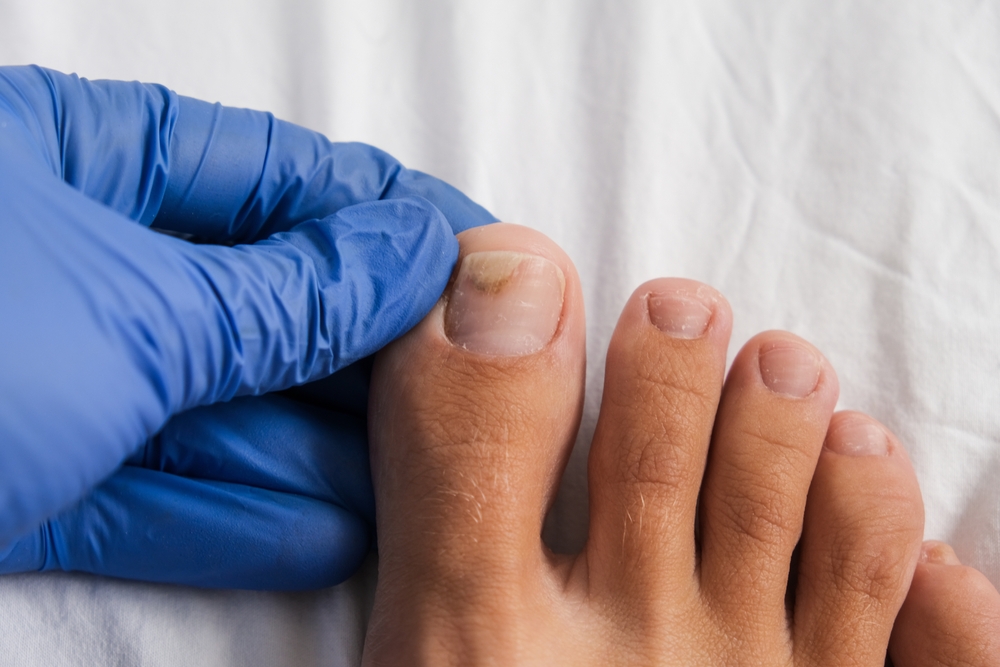
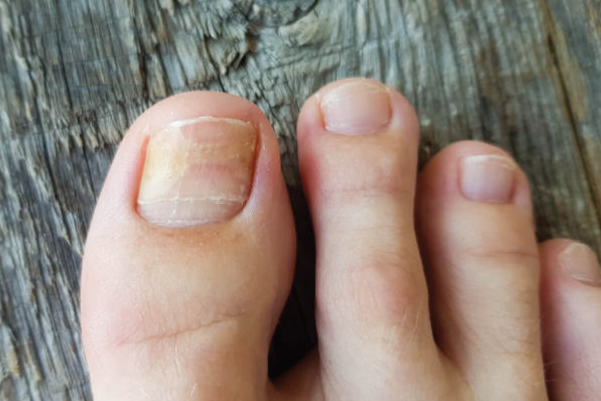
A detached nail occurs when the nail separates from the nail bed (the skin underneath the nail). The medical term for this is onycholysis. When a nail becomes detached, it will not reattach itself. Instead, a new nail will gradually grow in its place. Fingernails usually take around 6 months to regrow, while toenails can take up to 12–18 months to fully grow back.
What Causes a Nail to Detach?
There are several common reasons why a nail may lift away from the nail bed, including:
- Injury or trauma to the nail
- Stubbing the toe or repeated pressure on the nail
- Tight or ill-fitting shoes that press on the toenails
- Fungal nail infections
- Skin conditions, such as psoriasis
- Certain medications, including chemotherapy treatments
- Harsh chemicals in some nail polish removers or soaps (such as acetone)
If a nail becomes detached, it’s important to monitor it carefully to prevent infection or further damage.
Signs and Symptoms
A detached nail may cause:
- White or pale areas where the nail has lifted
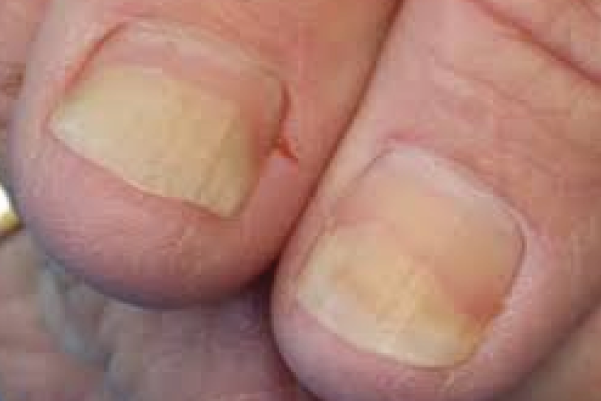
- Discolouration of the nail
- Nail pitting or ridges
- Crumbling or flaking nails
- Changes in nail shape or thickness
Sometimes the lifted part of the nail can catch on socks or shoes, which may worsen the injury.
Why Seeing a Podiatrist Is Important
It is always a good idea to see a podiatrist if you have a detached nail, especially if:
- You feel pain or discomfort
- The nail looks infected
- You have diabetes, poor circulation, or reduced sensation in your feet
- You find it difficult to safely trim your own nails
People with conditions such as diabetes or peripheral artery disease are at higher risk of developing infections, ulcers, and complications, so professional foot care is particularly important.
Early treatment can help protect the nail bed, prevent infection, and support healthy nail regrowth.
How a Podiatrist Can Help
During your appointment, the podiatrist will assess the nail and surrounding skin. Treatment will depend on how much of the nail has detached. Because a detached nail cannot be reattached, the focus is on protecting the nail bed and encouraging healthy regrowth.
Your podiatrist may:
- Carefully trim and smooth the nail to remove sharp edges
- Remove loose nail portions that could catch and cause further injury
- Clean and dress the nail to protect the area
- Apply a non-stick dressing with a protective ointment
- Check for signs of infection and prescribe treatment if needed
- Provide advice on caring for the nail at home to support healing
If the nail bed and nail matrix (the part that produces the nail) are healthy, the nail should grow back normally over time. Don’t Ignore a Detached Nail Leaving a damaged or detached nail untreated can lead to infection, pain, and further complications. Prompt treatment from a podiatrist can help you recover comfortably and prevent future problems. If you have a detached or damaged nail, booking an appointment with a podiatrist can help ensure it heals properly and safely.